July 10, 2026
This article aims to provide a comprehensive overview of the various aspects of pool services, including the importance of proper maintenance, repair techniques, and installation considerations for pool owners. Pool services encompass a wide range of tasks essential for ensuring that residential and commercial pools remain clean, safe, and operational. A detailed understanding of these services helps pool owners manage their pools effectively and prevent potential issues. By highlighting maintenance, repair, and installation insights, this guide serves as a valuable resource for current and prospective pool owners.
1. What Are the Key Components of Pool Maintenance?
1.1. Regular Cleaning Practices
Regular cleaning is the foundation of effective pool maintenance. Daily practices such as skimming the surface to remove debris and emptying skimmer baskets are crucial to keep the pool visually appealing. Weekly tasks often include vacuuming the pool floor and brushing the walls to prevent algae buildup. Seasonal maintenance may require adjusting cleaning techniques based on temperature changes and pool usage.
Consistency is key when it comes to pool cleaning. Establishing a schedule that includes daily, weekly, and seasonal routines ensures that the pool remains a safe and enjoyable environment. By adhering to these practices, pool owners can significantly extend the lifespan of their pool. Furthermore, regular cleaning helps minimize the potential need for costly repairs.
Incorporating technology into cleaning practices can enhance efficiency. Robotic vacuum cleaners and automatic pool covers are technologies that simplify the cleaning process. According to Market Growth Reports, design complexity and technology are rising trends: demand for customized pool layouts grew by 21% year-on-year in 2024. This trend indicates a growing interest in tailored pool services that match unique preferences and lifestyles.
1.2. Chemical Balancing
Maintaining the right chemical levels is imperative for both the health of swimmers and the longevity of the pool itself. Proper chemical balancing involves adjusting the pH, alkalinity, and sanitizer levels. pH levels should be kept between 7.2 and 7.8, as an imbalance can cause skin irritation and equipment damage. Alkalinity acts as a buffer for pH fluctuations, while sanitizers like chlorine prevent the growth of harmful microorganisms.
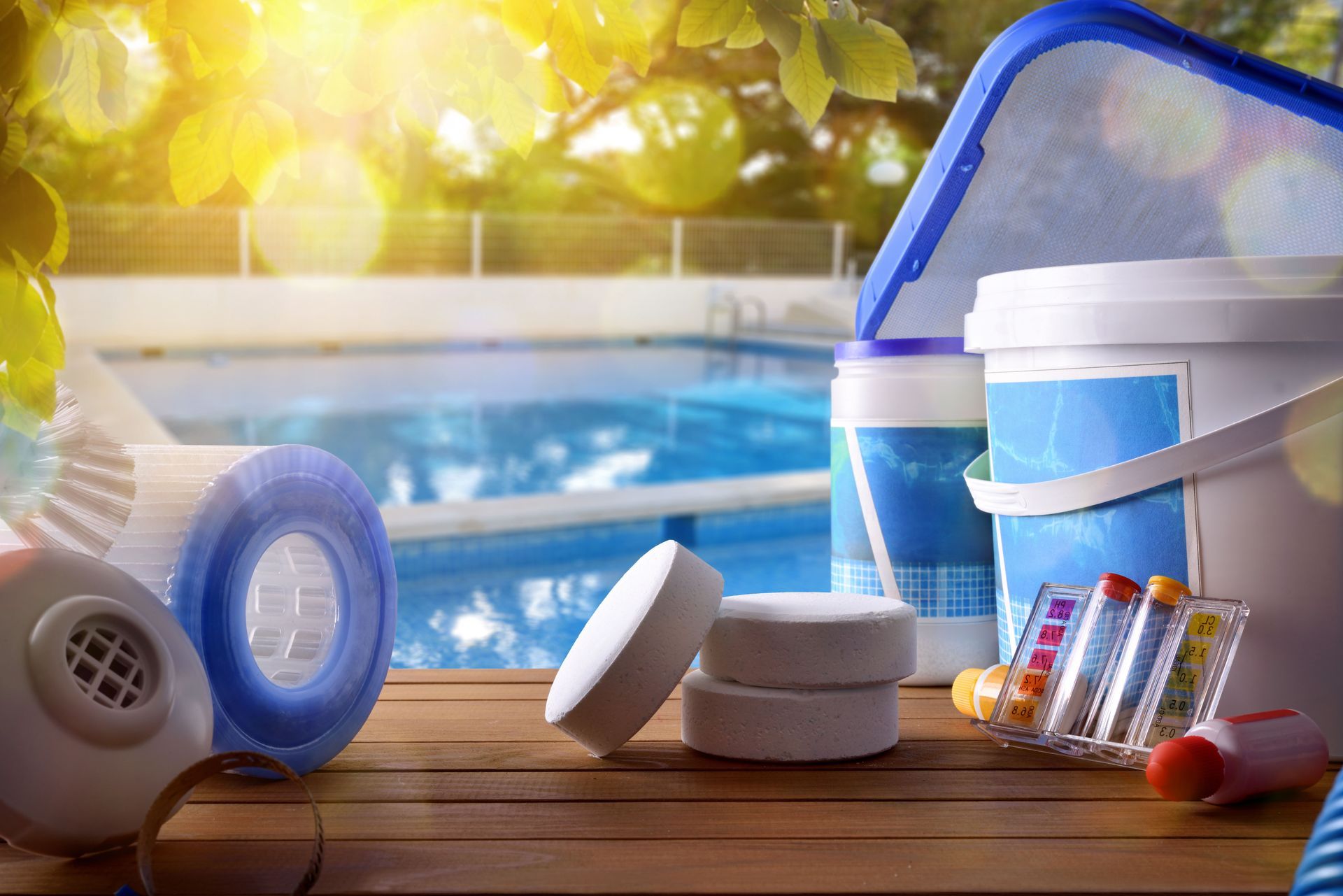
Regular testing of water chemistry is essential to ensure a balanced and safe swimming environment. Pool service providers recommend testing the water at least twice a week, especially during peak usage. Testing kits and digital meters are widely available, offering pool owners reliable ways to gauge their pool's chemical balance. Adhering to these chemical balancing protocols minimizes the risk of algae growth and cloudy water.
The rise in advanced pool technologies has also impacted chemical management. Automated chemical feeders and digital pH monitors streamline the maintenance process by delivering precise chemical doses and instant readings. These innovations reflect the market's demand for customized solutions as pool services evolve to incorporate user-friendly technologies.
1.3. Equipment Checks and Upkeep
The performance of pool equipment like filters, pumps, and heaters is vital for maintaining water quality and pool temperature. Regular checks ensure these components function efficiently and do not consume excessive energy. Pool filters need to be cleaned or replaced periodically to avoid clogs and ensure proper water circulation. Pumps should be monitored for noise or leaks, indicators of potential issues requiring immediate attention.
Scheduled maintenance extends the life span of essential pool equipment. Routine upkeep involves lubricating moving parts, checking electrical connections, and inspecting hoses for wear and tear. Ignoring equipment maintenance can result in costly repairs or replacements, disrupting pool availability during prime swimming season. Professional pool services offer expertise in diagnosing equipment health and longevity.
As technology integrates further into pool services, equipment diagnostics are becoming more precise. Modern systems feature digital interfaces that provide real-time data on equipment performance. These advancements contribute to the market's focus on customized and user-centric pool solutions, reinforcing the importance of regular equipment evaluations.
2. How Do You Diagnose and Fix Common Pool Problems?
2.1. Identifying Water Quality Issues
Water quality is a paramount concern for pool owners, affecting both aesthetics and health. The presence of cloudy water, unpleasant odors, or eye irritation typically indicates an imbalance in water chemistry. Regular water testing can help identify such issues before they escalate. Addressing these symptoms usually requires adjusting chemical levels such as chlorine or pH.
Correcting water quality issues involves a systematic approach. Shock treatments or algaecides might be required to reset water balance effectively. Understanding the root cause of water problems prevents recurrence and improves the quality of the swimming experience. Professional pool services can diagnose challenging cases promptly, minimizing downtime.
Proactive water quality management is a growing trend in pool services, particularly as consumers demand smooth and uninterrupted use of their pools. Technological advancements in automated sensors and test kits help pool owners remain vigilant. As the market leans towards more complex and bespoke pool setups, water quality management is becoming increasingly tailored and personalized.
2.2. Troubleshooting Equipment Failures
Occasional equipment failures can disrupt pool operations and require immediate attention. Common issues include filter blockages, pump failures, and heater malfunctions. Recognizing early signs, such as unusual sounds or fluctuations in water temperature, is crucial for timely intervention. Routine equipment checks can preempt severe failures and guide repair decisions.
Professional pool services provide valuable expertise in diagnosing and fixing equipment problems. Skilled technicians systematically identify the source of the issue, whether mechanical or electrical. Solutions range from component replacement to comprehensive overhauls, depending on the severity and underlying cause. Preventive maintenance schedules mitigate the risk of unexpected equipment breakdowns.
With the trend towards increased customization in pool installations, equipment troubleshooting has become more complex. Advances in digital monitoring and diagnostics allow for more accurate fault detection. These innovations reflect the growing emphasis on tailored pool services, aligning with the user's specific needs and preferences for efficient and reliable equipment functioning.
3. What Should You Know About Pool Installation?
3.1. Choosing the Right Pool Type
Selecting an appropriate pool type is the first step in the installation process. Common types include above-ground, in-ground, and infinity pools, each offering distinct advantages. Considerations such as budget, space, and usage influence the ideal choice, aligning with the owner's needs and preferences. Consulting with pool services can provide valuable insights to aid in this decision-making process.
Evaluating the characteristics and costs of each pool type ensures a satisfactory investment. Above-ground pools often cost less and require less installation time compared to in-ground alternatives. Conversely, in-ground pools offer flexibility in design and long-term durability. Understanding these distinctions forms the foundation for informed choices in pool installations.
Increasing demand for custom-designed pool solutions reflects broader industry trends. The Market Growth Reports highlight that design complexity continues to grow, with technological advancements offering personalized features. This indicates a shift towards more sophisticated pool services, focusing on customization to meet consumer expectations for unique, high-quality installations.
3.2. Site Preparation and Planning
Thorough site preparation is vital for a successful pool installation, encompassing site evaluations and design considerations. Evaluating soil composition, drainage, and available space ensures compatibility with the planned pool type. Precise planning supports the smooth execution of the installation process and prevents unforeseen challenges.
Detailed plotting of the pool's placement and orientation optimizes sunlight exposure and minimizes environmental impacts. Consideration of amenities, such as decking and landscaping, contributes to a cohesive and aesthetically pleasing pool area. Professional pool services offer expert guidance in site preparation, utilizing tools such as computer-aided design for accuracy.
Technology plays a crucial role in streamlining site preparations. Sophisticated survey equipment and modeling software facilitate precise measurements and visualizations. This technological integration aligns with the rising demand for customized services, ensuring pool installations meet unique site conditions and client preferences.
Understanding pool services is essential for maintaining a clean, efficient, and safe swimming environment. Proper maintenance tailored to seasonal needs, timely repairs addressing water and structural issues, and informed installation processes ensure a pool's longevity and enjoyment. By addressing common concerns and adopting proper practices, pool owners can enjoy their pools with peace of mind. Reach out to New Life Pools Nashville today to see how we can help you!