August 8, 2026
A backyard pool is one of the most rewarding additions a property owner can make, offering a refreshing sanctuary during warm summer months and a central gathering spot for friends and family. According to Ruby Home, roughly 8% of American households feature a residential swimming pool. Having immediate access to a private aquatic oasis brings immense joy, but it also comes with a continuous responsibility. Keeping the water crystal clear, inviting, and safe for swimmers requires ongoing effort and careful attention to detail. Many property owners choose to hire professional pool services to keep their equipment running efficiently, while others prefer to tackle routine care on their own. Regardless of who performs the work, understanding the fundamental upkeep tasks ensures that minor issues do not turn into costly structural or mechanical repairs down the road. Committing to a consistent schedule prevents algae growth, protects expensive pump equipment, and preserves the overall lifespan of the installation.
Skimming the Surface and Brushing the Walls
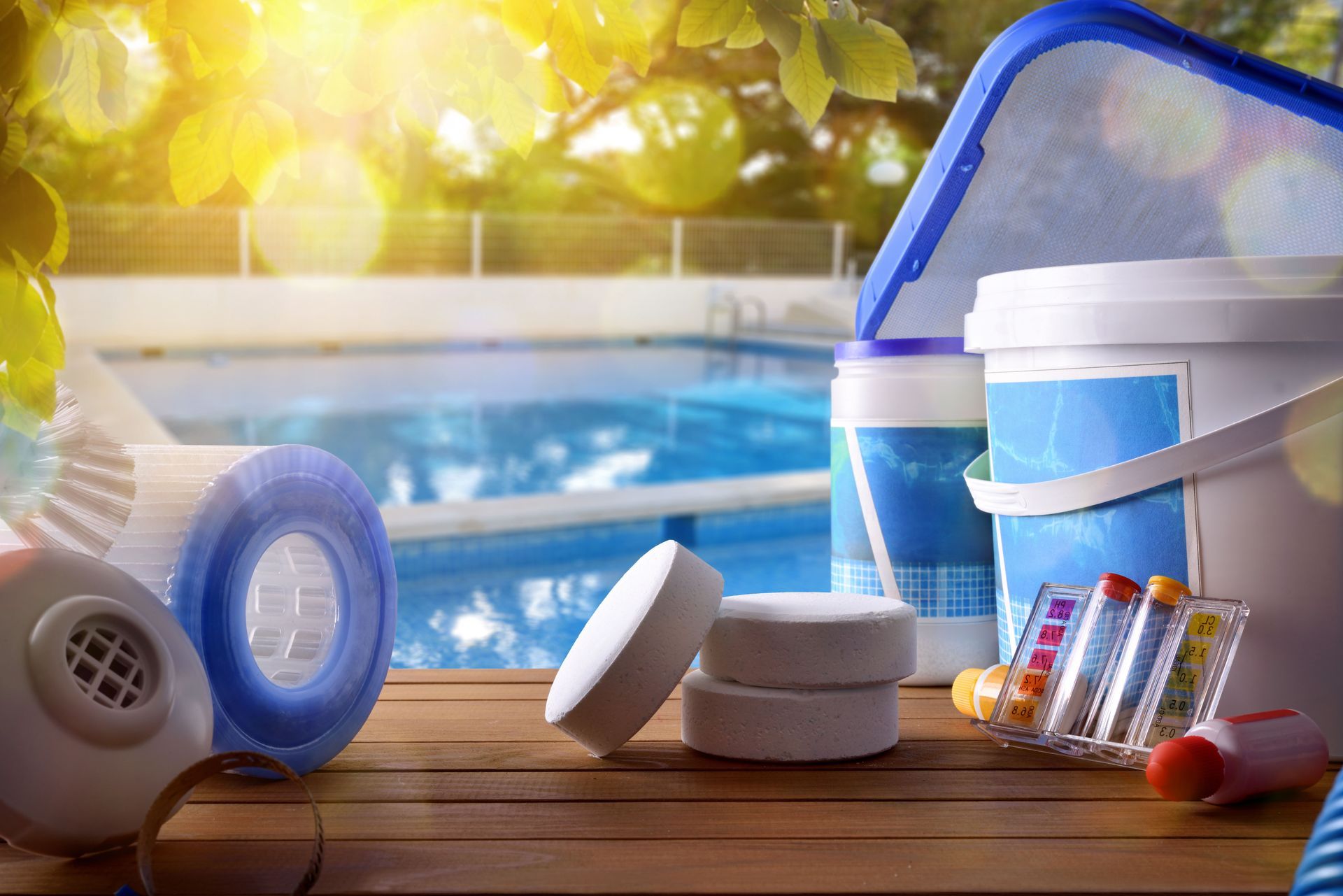
Debris accumulates in outdoor water features constantly, ranging from fallen leaves and twigs to insects and pollen. Removing these floating contaminants before they sink to the floor is the single most effective way to maintain water clarity and prevent stain formation. When organic matter sits at the bottom, it breaks down and consumes sanitizer rapidly, leaving the water vulnerable to bacteria. Daily skimming with a fine mesh leaf net keeps the surface pristine and reduces the strain on your filtration system.
Along with surface skimming, brushing the interior walls, steps, and corners at least once a week is critical. Microscopic algae spores and calcium deposits readily adhere to pool plaster, tile, and vinyl liners, creating a slick surface that can quickly turn into a full-blown algae bloom. Brushing pushes these settled particles into the water column where the filtration system can catch them. While many homeowners prefer to delegate daily skim cycles to automated cleaners or routine pool services, manual brushing remains an essential practice for reaching tight corners, behind ladders, and along the waterline where oil and grime accumulate.
Cleaning the Filter System and Pump Baskets
The filtration system serves as the heart of any swimming area, circulating water and trapping suspended particles. To keep this system operating at peak performance, the strainer baskets located inside the skimmer housing and the main circulation pump must be emptied frequently. Clogged baskets restrict water flow, forcing the pump motor to work harder, which raises energy costs and can eventually cause the motor to overheat and fail prematurely. Checking and clearing these baskets twice a week takes only a few minutes but saves significant expense over time.
In addition to clearing the baskets, the primary filter requires routine maintenance depending on its specific type. Sand filters require periodic backwashing to flush trapped dirt out through a waste line, cartridge filters must be sprayed down with a hose and occasionally soaked in a degreasing solution, and diatomaceous earth systems require fresh powder replenishment after backwashing. Paying close attention to the filter pressure gauge provides clear guidance on when to act; a pressure increase of eight to ten pounds per square inch above normal baseline indicates that the filter medium is full and needs cleaning. If you ever notice a sudden drop in water flow or an unexpected spike in pressure readings, consulting qualified pool services can help diagnose underlying mechanical issues before your pump motor suffers permanent damage.
Monitoring and Balancing Water Chemistry
Proper water chemistry is the foundation of a healthy swimming environment, influencing swimmer comfort, water sanitation, and equipment longevity. Testing the water parameters at least two to three times per week allows you to make subtle chemical adjustments before severe imbalances occur. The primary indicators to track include pH levels, total alkalinity, sanitizer concentration, and calcium hardness. Maintaining the pH between ideal parameters prevents eye irritation and protects metal fixtures from corrosion, while total alkalinity acts as a buffer that stabilizes the pH against dramatic fluctuations.
Sanitizers, such as chlorine or bromine, kill harmful bacteria, viruses, and organic pathogens. Free chlorine must be kept at adequate levels to ensure continuous disinfection, especially during periods of high temperatures or heavy swimmer usage. Cyanuric acid, often called stabilizer, must also be monitored to protect chlorine from being destroyed by direct sunlight. Navigating chemical adjustments can sometimes feel like a complex chemistry experiment, which is why many residential owners contract local pool services to handle chemical testing and precise chemical additions on a weekly basis. Properly balanced water ensures that disinfectants work efficiently without causing skin dryness or eroding pool surfaces.
Maintaining the Correct Pool Water Level
Water naturally dissipates through evaporation, splashing, and backwashing, causing the overall volume in the basin to drop over time. Allowing the water level to sink below the midpoint of the skimmer opening creates a serious hazard for the circulation equipment. When the skimmer draws in air instead of water, the pump loses its prime, running dry and quickly overheating. Conversely, an overly high water level reduces skimmer efficiency because floating debris cannot easily flow over the weir door into the collection basket.
Checking the water level weekly ensures your circulation system always operates safely. After heavy rainfall, you may need to drain excess water using the multi-port valve on your filter to restore the proper balance. During hot summer months, adding fresh water with a garden hose is often necessary to compensate for rapid evaporation. During routine visits, reputable pool services will check water levels and advise whether your system needs topping off or draining to prevent equipment starvation or overflowing. Keeping the water level strictly within the recommended parameters guarantees that debris is continuously pulled toward the filter.
Shocking the Water on a Regular Schedule
Even with consistent sanitizer levels, organic contaminants such as sweat, sunscreen, lotion, and rain runoff build up in the water over time. As chlorine binds with these organic compounds, it forms chloramines, which produce the harsh chemical odor often mistakenly attributed to too much chlorine. Chloramines significantly reduce sanitation efficiency and cause red, stinging eyes in swimmers. To break apart chloramines and sanitize the water fully, you must perform a process known as shocking, or superchlorination.
Shocking involves adding a concentrated dose of sanitizer or non-chlorine oxidizer directly to the water, typically every one to two weeks, or immediately following heavy rainstorms and large pool parties. It is best to shock the pool at dusk or during the night because direct sunlight rapidly degrades un-stabilized shock before it can complete its work. If you are unsure of the precise chemical doses needed to shock your specific pool size, professional pool services can execute this process safely and effectively without risking damage to vinyl liners or plaster finishes. Regular oxidation restores crystal clarity and restores the active sanitizing power of your routine chlorine treatments.
Partnering with Professionals for Seasonal Inspections
While day-to-day maintenance tasks keep the water looking pristine, periodic comprehensive evaluations of structural and mechanical components are vital for long-term health. Mechanical seals, O-rings, heater elements, and automated control panels experience ongoing wear and tear throughout the swimming season. Catching minor leaks or hairline cracks early prevents severe water loss and structural settling around the surrounding deck or patio.
Professional technicians possess specialized diagnostic tools, such as pressure testing equipment and leak detection sensors, that can identify hidden problems beneath the ground or inside complex plumbing lines. Scheduling seasonal checkups before opening in the spring or winterizing in the autumn ensures that every component operates at peak energy efficiency. In conclusion, establishing a dependable maintenance strategy ensures that your backyard sanctuary remains a source of relaxation rather than stress. While basic skimming and brushing can easily be managed with simple tools and a bit of diligence, partnering with expert pool services for specialized care, equipment tune-ups, and seasonal openings guarantees that your investment remains protected for decades to come. Ready to enjoy a pristine, hassle-free swimming experience all season long? Contact New Life Pools Nashville today to schedule your expert pool service consultation!